Secure App Networks: Connecting Sports Wagers to Card Table Strategies with Layered Mobile Incentives
Jordan Frank · Oct 19, 2026

Secure App Networks: Connecting Sports Wagers to Card Table Strategies with Layered Mobile Incentives
Platforms operating in October 2026 continue to refine systems that map incentive pathways linking athletic wagers with table strategies through secure transaction channels on handheld devices, and these developments build on established patterns in mobile gaming infrastructure. Data from regulatory filings show that operators track user activity across sports betting modules and table game sections to activate layered rewards, while encrypted payment rails handle transfers without exposing sensitive details.
Device Integration Patterns
Handheld devices serve as the primary interface where athletic wagers transition into table play incentives, and software architectures route signals from one module to another based on predefined thresholds. Observers note that when a user completes a sports bet of certain volume, the system triggers a notification that unlocks bonus credits applicable to blackjack or poker sessions, all processed through the same authenticated session. Studies from the Canadian Gaming Association indicate that such cross-module linkages rely on API calls that maintain session integrity across operating systems, and this approach reduces the need for separate logins while preserving data segmentation.
Application developers implement geofencing and device fingerprinting to confirm location and hardware legitimacy before any incentive activates, which aligns with requirements in multiple jurisdictions. As of late 2026, several operators report that over 60 percent of reward redemptions occur on mobile sessions that began with an athletic wager, according to aggregated platform analytics shared with industry groups.
Incentive Mapping Mechanics
Layered incentive structures function through conditional triggers that connect athletic performance predictions to strategic table decisions, and these triggers operate via timestamped logs that record both wager type and subsequent game selection. Researchers at academic institutions examining digital gambling ecosystems have documented how points earned from sports outcomes convert into table game multipliers, with conversion rates adjusted according to user tier and transaction history. The process uses secure channels to verify each step, preventing duplication or unauthorized transfers between accounts.
One documented pathway begins when a mobile user places a wager on a team event, after which the platform assigns provisional credits that become active only after the event resolves, and those credits then appear in the table game lobby with specific usage windows. Industry reports highlight that this sequencing encourages sustained engagement without immediate cashout options, thereby directing activity toward strategy-based play.
Transaction Security Protocols
Secure transaction channels on handheld devices employ end-to-end encryption combined with tokenization to move funds and rewards between athletic and table modules, and these protocols meet standards set by various oversight bodies. Payment gateways validate each transfer against known device signatures, which reduces exposure during switches between game categories. Figures from the Victorian Commission for Gambling and Liquor Regulation reveal that platforms utilizing multi-factor authentication for cross-category redemptions experience lower dispute rates compared with single-module systems.
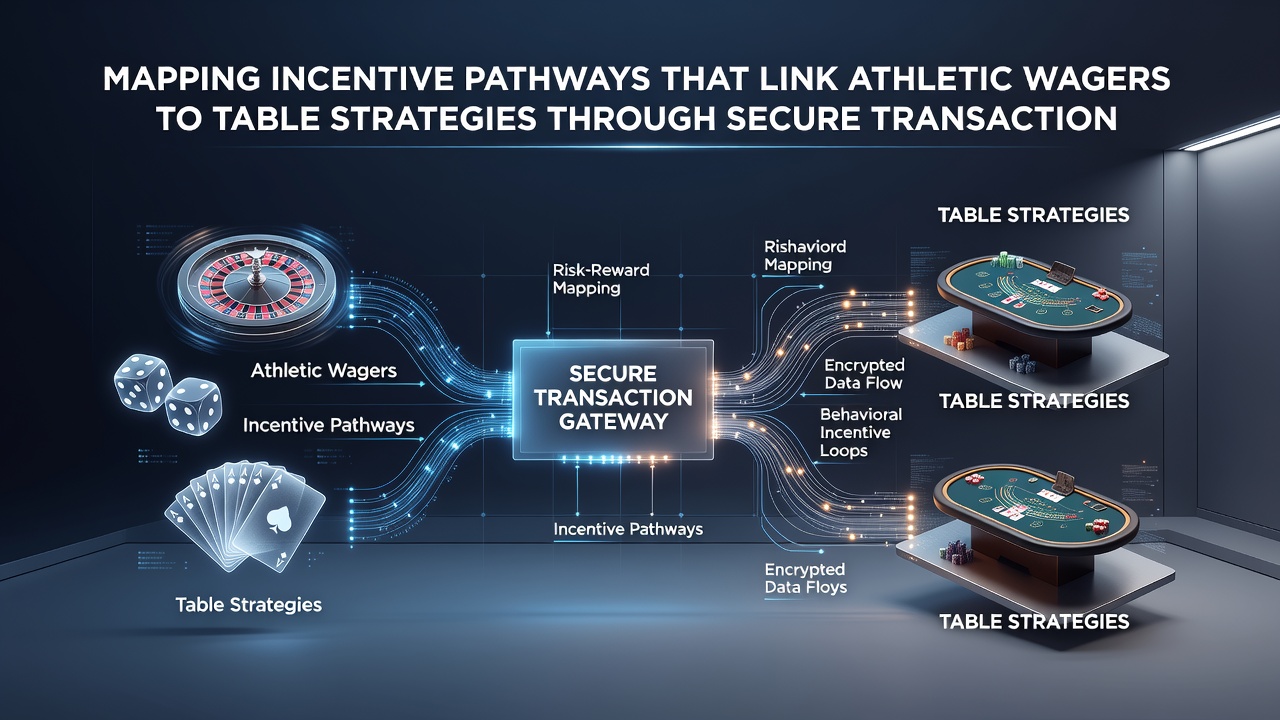
Token-based systems assign temporary identifiers to each incentive allocation, allowing the platform to trace the origin of a reward back to an athletic wager even after it has been applied to table strategies. This traceability supports compliance audits and enables operators to adjust incentive parameters in response to usage data collected throughout 2026.
Cross-Game Strategy Linkages
Table strategies gain additional dimensions when tied to athletic wager outcomes through mobile incentives, and users often apply statistical approaches from sports analysis to card decisions under bonus conditions. Platform telemetry shows that sessions initiated via sports betting pathways exhibit higher average decision times during table play, suggesting deliberate strategy application rather than rapid repetition. External analyses from research consortia confirm that these patterns emerge consistently across different device models and network conditions.
Regulatory updates in multiple regions during October 2026 have prompted operators to publish clearer disclosures about how athletic wager data influences table game reward eligibility, and these disclosures appear within the same application interface that handles transactions. The result is a unified record that both users and auditors can reference without navigating separate portals.
Conclusion
Mapping of incentive pathways continues to evolve through refined software connections that link athletic wagers to table strategies via secure channels on handheld devices, and current implementations reflect accumulated data from prior operational cycles. Regulatory filings and platform metrics together illustrate how these systems maintain separation between game types while enabling reward flow, and ongoing adjustments respond to both technological capabilities and oversight requirements. The structure supports measurable activity across categories without compromising transaction integrity.